


.svg)


.svg)
What Modern Home Design Really Means And How to Tell If a Home Is Truly Modern
If you’ve been browsing new homes lately, you’ve probably noticed one thing: everything is suddenly being called “modern.” Scroll through listings or builder websites, and you’ll see the word everywhere even on homes that clearly aren’t modern at all. Maybe they have black window frames. The builder may add a metal stair railing, install some oversized windows and just like that, the home is marketed as “modern.”
If you’ve been browsing new homes lately, you’ve probably noticed one thing: everything is suddenly being called “modern.”
Scroll through listings or builder websites, and you’ll see the word everywhere even on homes that clearly aren’t modern at all. Maybe they have black window frames. The builder may add a metal stair railing, install some oversized windows and just like that, the home is marketed as “modern.”
But here’s the truth: modern home design isn’t a trend or a collection of elements you can just sprinkle in. It’s not something you can achieve by swapping out a few finishes or upgrading the light fixtures. And it’s definitely not a traditional house with a handful of contemporary details added on.
Modern design is a complete architectural language a philosophy that shapes everything about a home, from how it’s built to how it feels to live in. If you want to know whether a home is truly modern, you have to look deeper than the surface.
Here’s how to tell the difference and why it matters.
⸻
Modern Is More Than a Look, It’s a Way of Thinking
The modern design movement began to get away from historical imitation and unnecessary ornamentation. Architects like Le Corbusier and Mies van der Rohe championed simplicity, honesty in materials, and spaces designed for real life. Those principles still define modern homes today.
Modern design is about clarity of form, clean geometry, and a deep respect for how people live. It’s about designing from the inside ou,t shaping the architecture around function, light, and flow rather than decoration.
That’s why true modern homes don’t just look different, they feel different. They feel open, intentional, connected, and effortless. Every decision, from the roofline to the door trim, supports that experience.
⸻
The Core Elements of True Modern Home Design
If you’re trying to recognize a real modern home or plan one for yourself here are the essential elements to look for:
⸻
1. Architectural Form Comes First
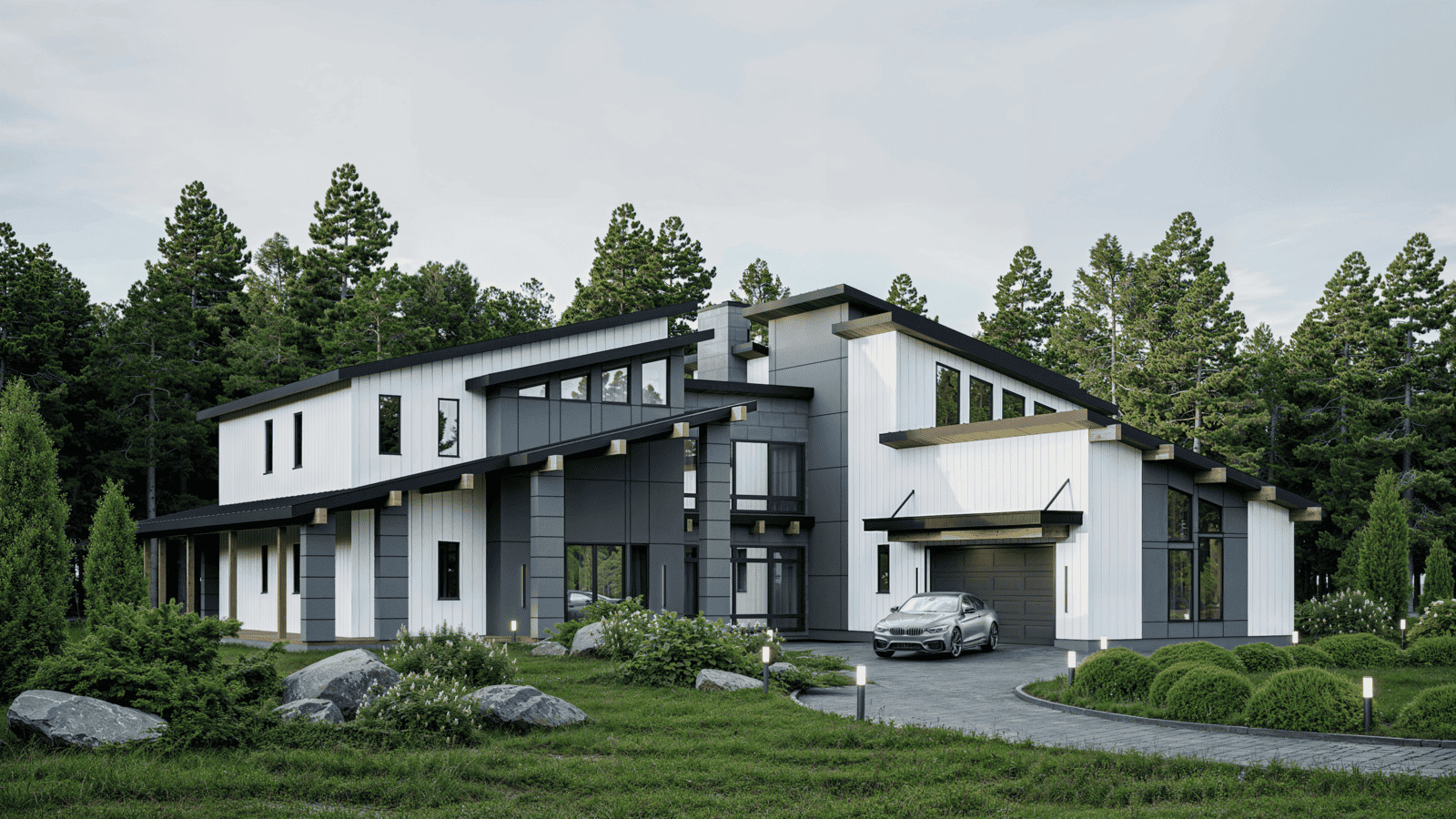
Modern homes are defined by simple, bold shapes and strong geometry. Rooflines are flat or low-sloped. Volumes are arranged with intention, often asymmetrical but balanced. Ornamentation is stripped away so the form itself is the expression.
What you won’t see: unnecessary roof peaks, decorative brackets, or busy facades added just as a decorative element. Modern homes rely on proportion, geometry, and restraint not decoration to create impact.
⸻
2. Spaces Are Designed for How People Live
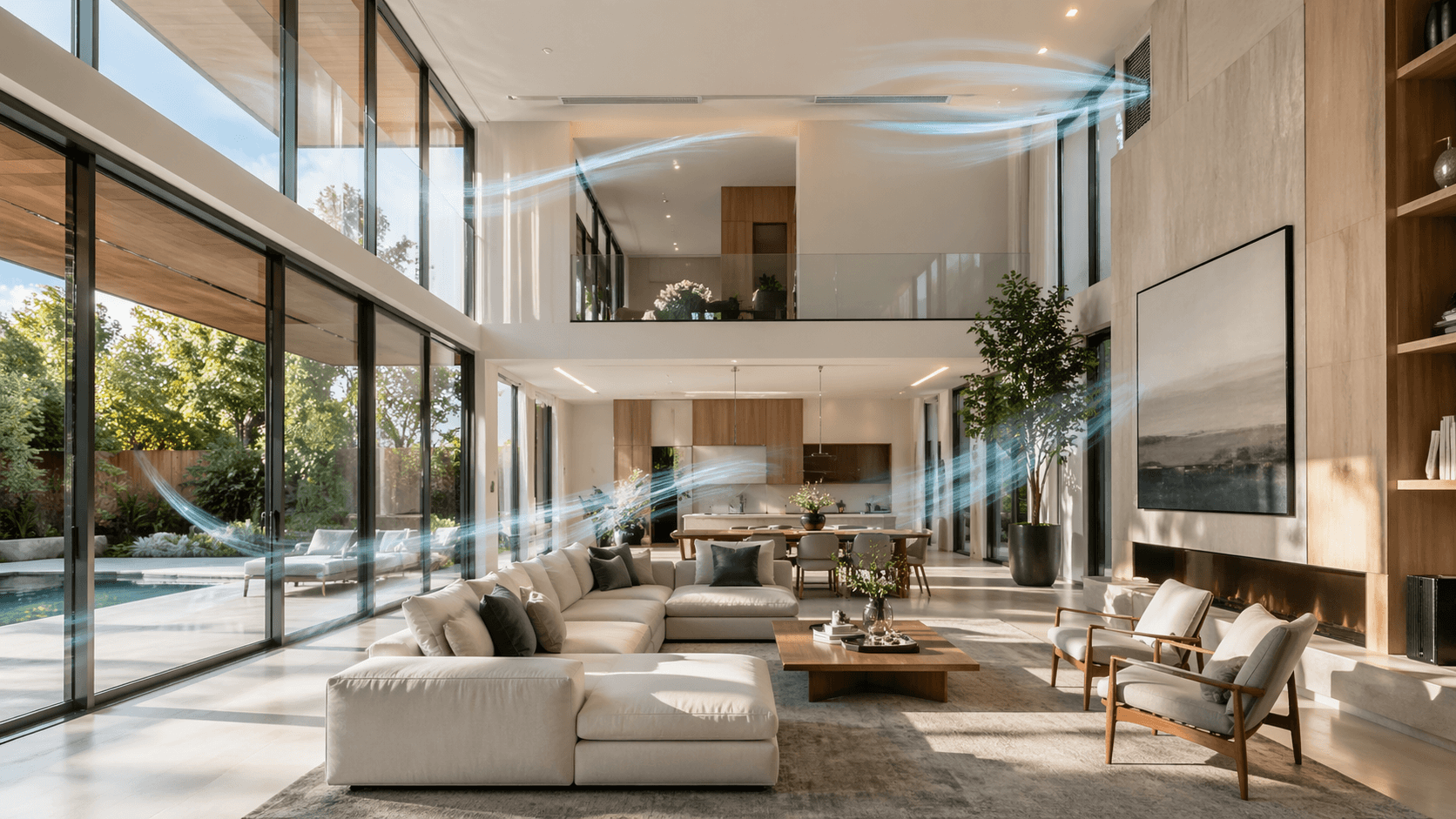
In traditional homes, rooms are often segmented and separated by walls. In modern design spaces flow into each other naturally, creating openness, flexibility, and better use of light.
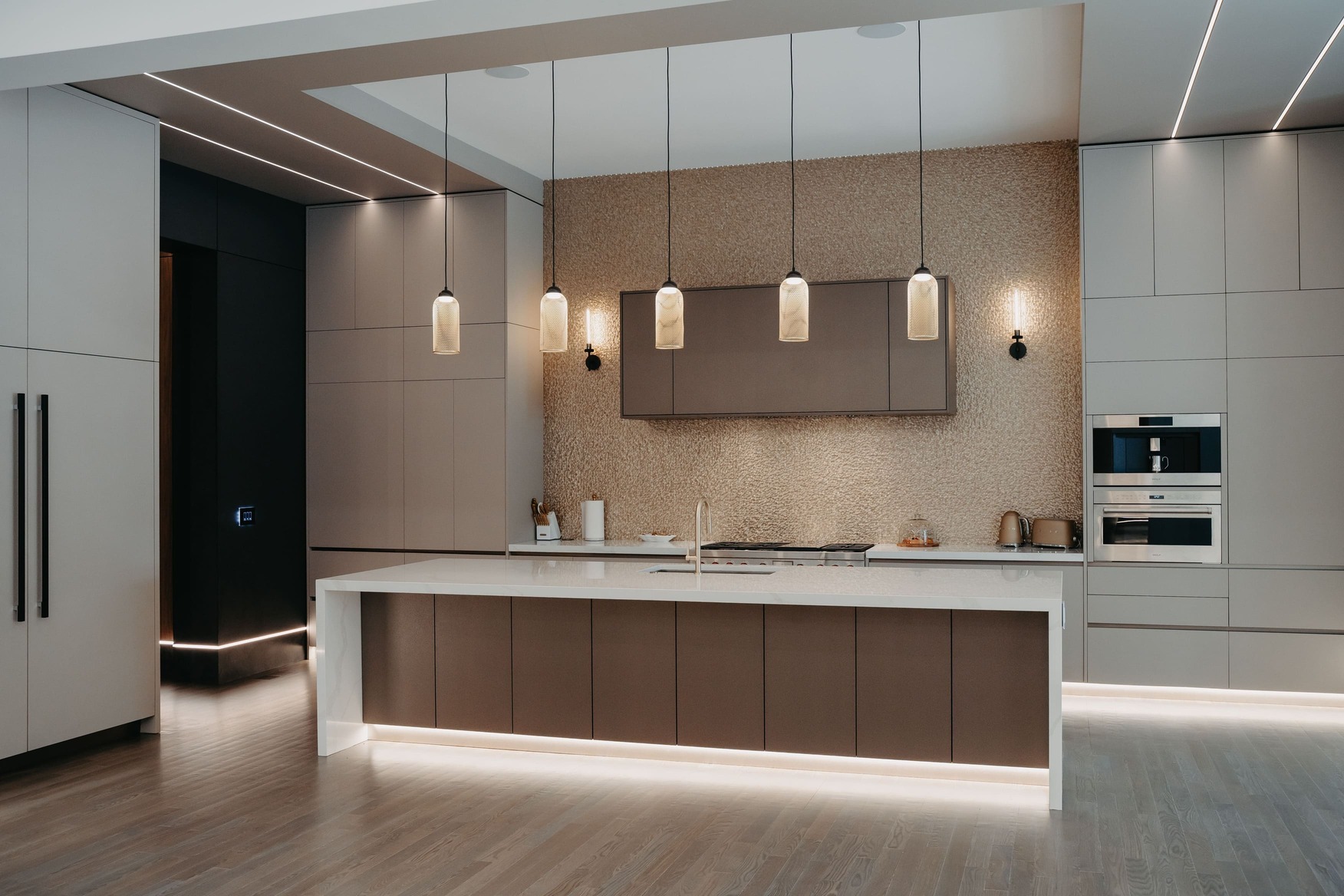
Kitchens connect seamlessly to living and dining areas. Hallways are minimized. Every square foot is intentional and functional. The result is a home that supports daily life, not one that forces you to work around its layout.
⸻
3. Natural Light Is a Design Element
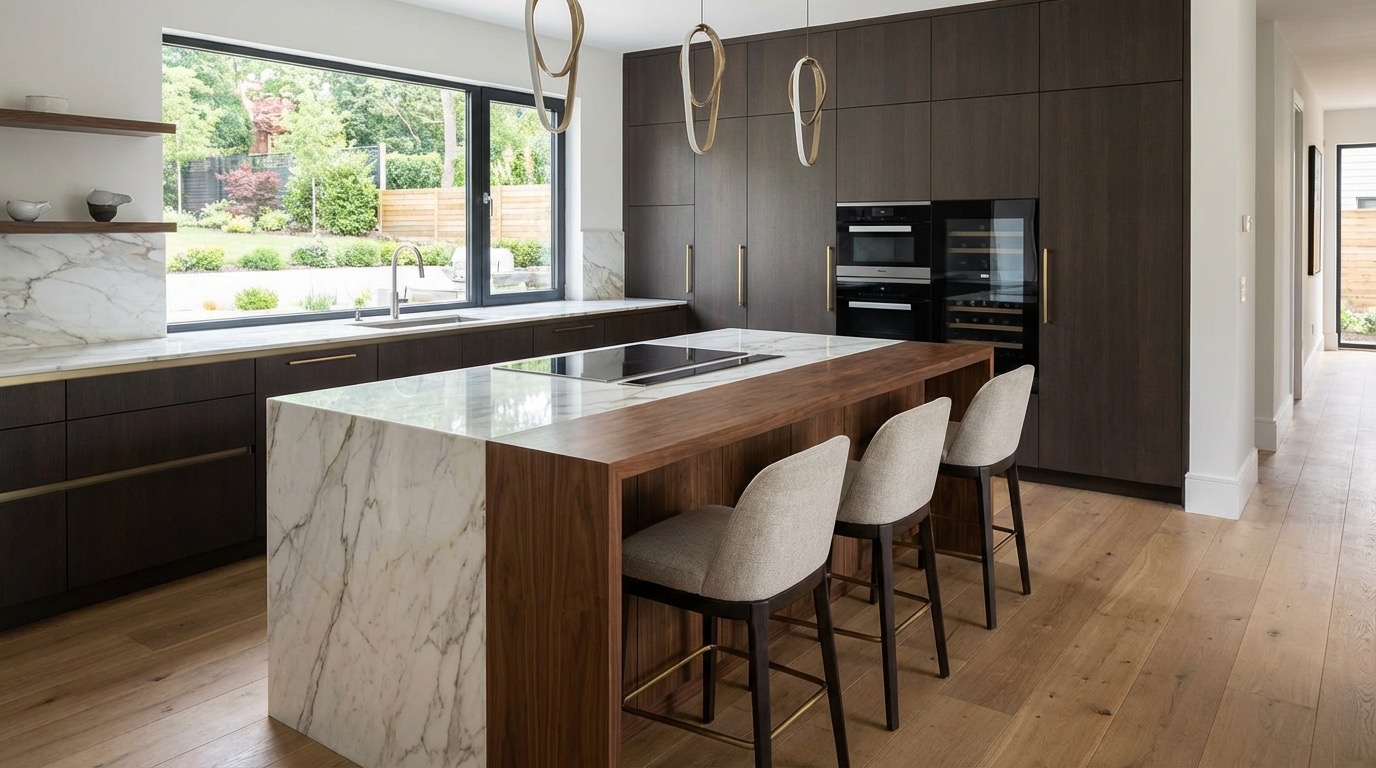
In a modern home light is a part of the architecture itself not just an afterthought. Large, strategically placed windows bring as much daylight as possible into the interior to connect with the outdoors.
Many builders simply install oversized windows on a very traditional house. Or they may swap standard frames for black ones and label it ‘modern’. This is often just a marketing tactic designed to appeal to the buyers.
The truth is, windows are just one piece of the puzzle. Without the right architectural form, floor plan, and detailing, oversized windows or black frames don’t make a home modern, they make it confused.
⸻
4. Materials Are Honest and Intentional
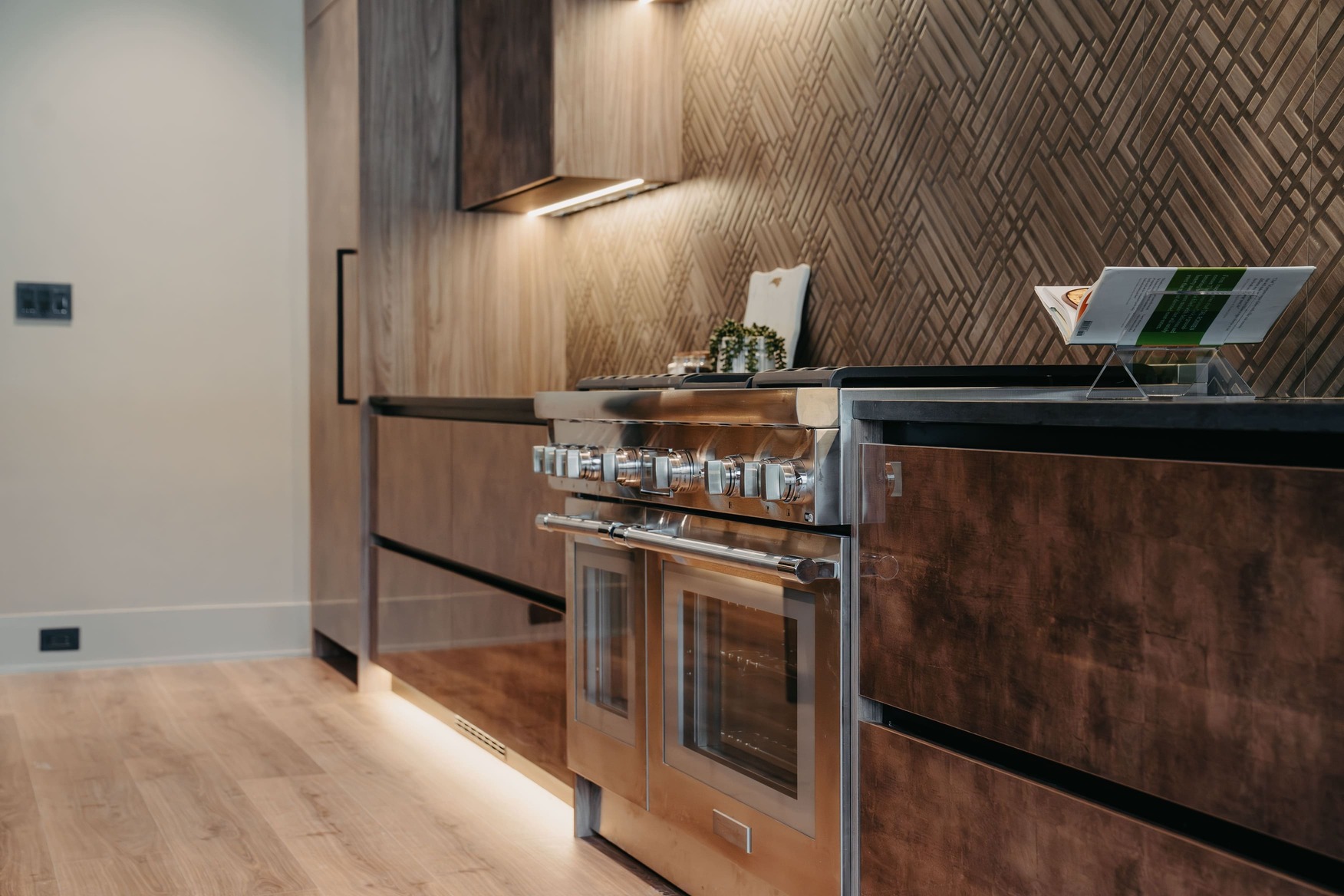
Modern design embraces materials for what they are. Wood, steel, glass, and concrete are celebrated for their natural character and texture. Surfaces are chosen carefully and used consistently to create harmony and simplicity.
Instead of layering on unnecessary finishes, modern homes use a restrained palette. Every choice is purposeful and contributes to the overall clarity of the design.
⸻
5. Details Are Minimal But Purposeful
This is one of the most telling signs of a modern home. Every detail, from door trim to baseboards, is designed to disappear or enhance the architecture, not compete with it.
Slim or recessed baseboards are common, and trim is kept to a minimum. Some of the most refined modern homes even feature trimless interior doors a detail that creates clean, uninterrupted lines and a truly minimalist look. It’s a subtle but powerful design choice that elevates the entire space.
On the flip side, this is where many so-called “modern” homes fall apart. A home might have a sleek staircase and contemporary lighting but still use traditional-style doors, ornate trim, or decorative crown molding. Those mismatched details break the consistency of the design and make the home feel more transitional than truly modern.
⸻
The “Modern” Marketing Tricks and How to Spot Them
One of the most common tactics builders use is attaching the word “modern” to homes that aren’t designed that way at all. Here are a few examples to watch for:
• A classic colonial or craftsman-style home with oversized windows marketed as “modern.”
• A traditional floor plan and roofline labeled modern because of black window frames.
• A conventional house with metal stair railings or open-tread stairs added at the end and a “modern” label slapped on it.
These tricks might create a hint of modern style, but they don’t transform the underlying architecture. Modern isn’t something you glue onto a house after it’s built. It’s something that has to be woven into the design from the very beginning.
⸻
Why It Matters: Modern Design Changes How a Home Feels
Some of these differences might seem small a door detail here, a window decision there but together, they shape how a home feels and functions. A truly modern home feels calm, open, and cohesive. Light flows naturally and spaces feel connected. Every line and surface contributes to a sense of simplicity and balance.
When those elements are missing or inconsistent, the home loses that clarity. It might look modern in photos, but living in it will feel like any other traditional home with trendy parts added on.
That’s why it’s important to work with a builder who understands modern design as more than a marketing term. True modern homes require a different level of intention and detail and when done right, the difference is unmistakable.
⸻
Final Thoughts: Look Beyond the Label
Not every home that calls itself “modern” deserves the title. The word has become a trend, but real modern design is timeless. It’s built into the bones of the house from the architecture and floor plan to the materials and details.
When you understand what modern design truly is, you’ll spot the difference immediately. And once you experience the way a well-designed modern home feels, you won’t settle for anything less.
⸻
Build a Home That’s Modern in More Than Just Name
Marcello Homes designs and builds true modern homes in the Charlotte area! We build homes that go beyond surface-level trends to deliver thoughtful design, high performance, and a better way of living. If you’re ready to explore what authentic modern design can mean for you, reach out to start a conversation.
.png)